
Planner is the latest app to join Office plans 365 For the company, As this is a powerful and at the same time simple tool to organize the tasks to be carried out by the members of the groups of your company, as well as being a new part of the Office applications conglomerate 365, is integrated with groups, calendars and even with application connectors such as Dynamics CRM or BitBucket.
Today we will learn the basic concepts for handling this tool, To do this, the first thing will obviously be to access it from the Office application launcher 365.
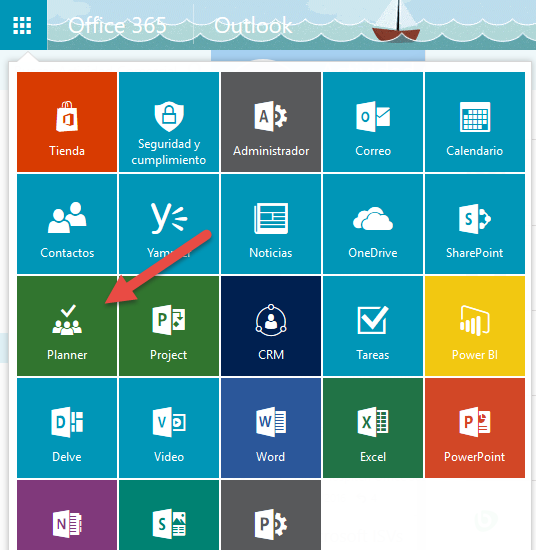
Una vez hecho esto estaremos en la interfaz del Planner, lo primero que haremos en ella es generar un plan para un tipo de actividades a realizar pinchando en la pestaña. Nuevo plan.

Al crear un plan podemos decidir su nombre, si es público y su descripción. Si se crea un plan público, cualquier persona dentro de la organización puede unirse sin invitación, si es privado, solo pueden unirse si han sido invitados.

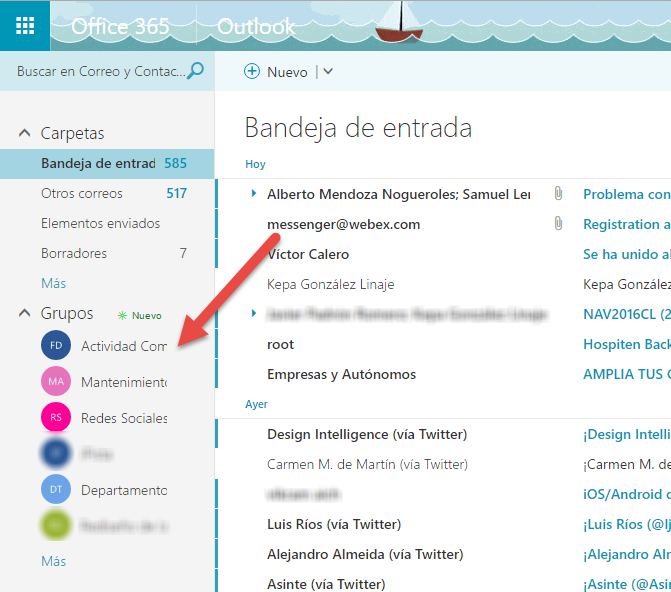
Cuando se crea un plan al mismo tiempo se genera un grupo y con esto un conversation, a calendar, una cuenta de storage en Sharepoint accesible desde onedrive para empresas y una instancia de Una nota propietario del grupo.


Para acceder a esta área (groups) de Outlook en Office 365, podemos acceder a ella a través de la opción de conversaciones de un plan en Planner o desde el propio Outlook.
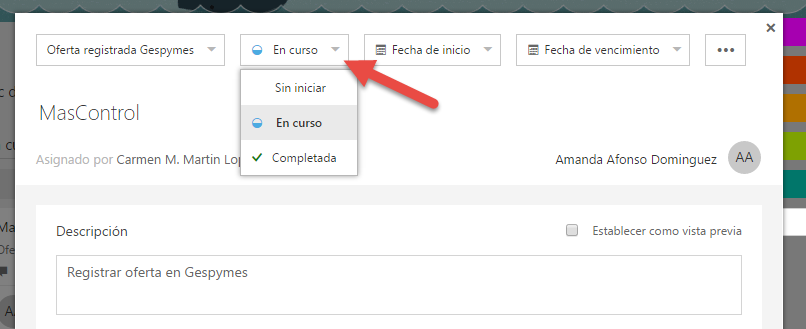
Una vez ingresemos al plan predeterminado tendremos la vista de cubo en la que se nos permitirá personalizar el flujo de trabajo de las tareas para aquellas personalizaciones que vayan más allá del estado de progreso de la tarea.

Además de esta visualización, Planner nos ofrece otras dos vistas del plan entre las que podemos alternar. La segunda sería la vista por asignación que mostrará las tareas organizadas por usuario al que han sido asignadas y por el estado de avance de la aplicación.

También podemos seleccionar el modo de visualización según el progreso, en el que se mostrarán las tareas ordenadas por su estado, which must be defined within the task itself according to the task's progress set by the assigned person.

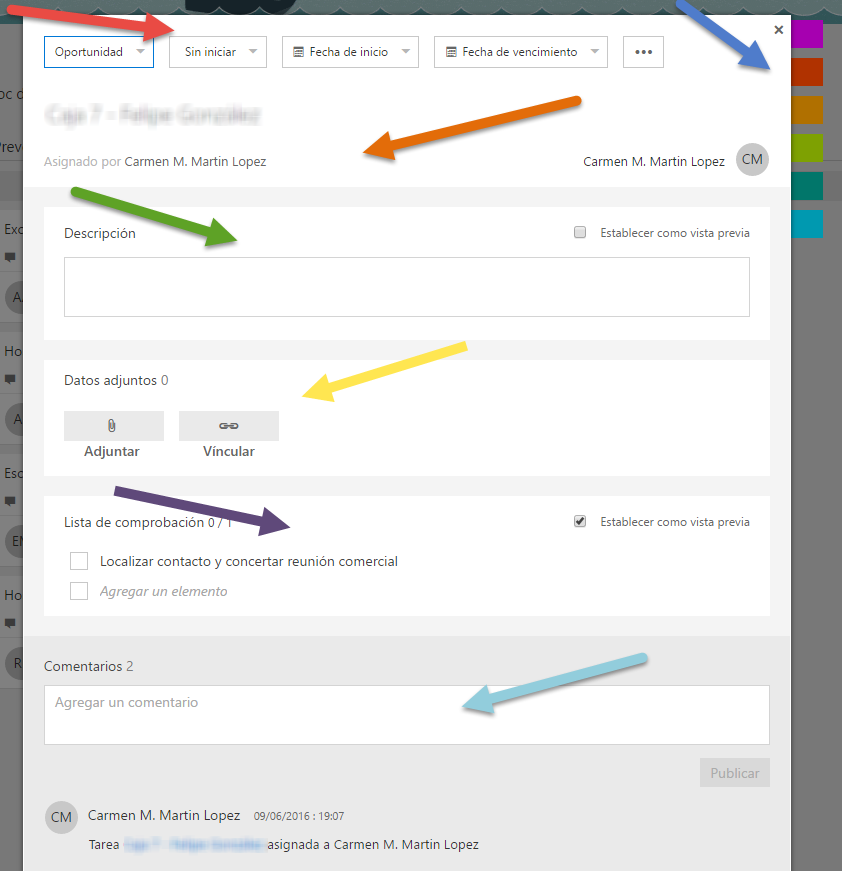
Now we will see the options available when creating tasks, starting from the top:
- Flow zone: Here we can define which bucket the task is in, the progress status it is in, its start date and due date.
- Label area: On the right, we can use color tabs to label tasks as needed.
- Task name and assignment.
- Description: if we mark it as a preview, it will be shown in the task summary in the bucket.
- Attachments: Here we can attach files and set them as a preview in the bucket if it's an image.
- Subtask list: Task separation by objectives, which, like the previous ones, can be shown in the preview so they can be marked as completed from this.
- Comments area: Where users can discuss the task.
When visualizing our plans graphically, we will have two options:
- The first is to add our plan to favorites, which will show us a chart of the plan's tasks according to their progress status.

-
Once we enter the plan, we have a second viewing option besides panelA panel is a group of experts that meets to discuss and analyze a specific topic. These forums are common at conferences, seminars and public debates, where participants share their knowledge and perspectives. Panels can address a variety of areas, from science to politics, and its objective is to encourage the exchange of ideas and critical reflection among the attendees.... principal, the graphical view where we can not only see the previous chart but also a chart of the tasks according to their status and the person to whom it has been assigned. What's more, in the correct area, we can create and assign tasks, which allows us to easily assess which workers have a heavier workload and assign tasks accordingly.

Regarding notifications, lThe only default notifications sent to users of a Planner plan occur once the user is added to that plan and each time a task is assigned to them, provided they are not the one who added it. Besides that, we will have a subscription button that will allow them to be notified by email whenever:
- A new task is added to the plan.
- A task is assigned (or reassigned) to any plan member.
- The dates, the progress, the due date or other details of a task have changed.
- Any plan member adds a comment on any task.

Otra forma de estar al tanto de todo lo que sucedió en un plan es recurrir a las conversaciones grupales donde se mostrarán todos los comentarios y cambios realizados en las tareas del plan, accedemos a través del botón de conversaciones:


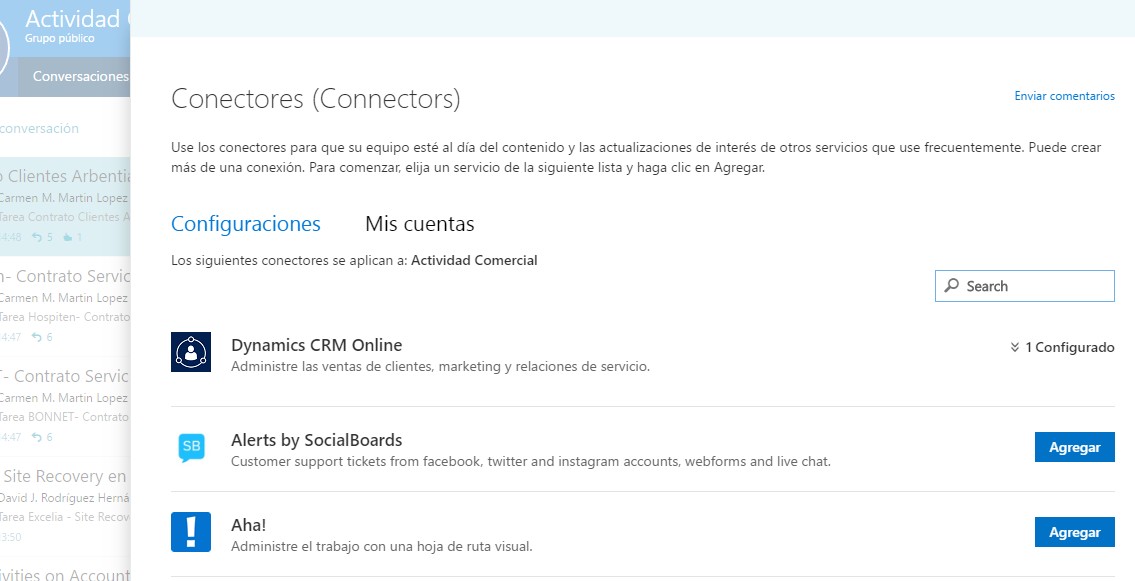
En esta pantalla también podemos acceder a la opción de Conectores para combinar notificaciones de otras aplicaciones que sean relevantes para el trabajo realizado por el grupo asociado al plan, como Git, CRM, JIRA, MailChimp, etc.
Finalmente tenemos que tener en cuenta que estos mensajes de notificación grupal se pueden visualizar desde Outlook en Office 365 así como desde la aplicación de escritorio siempre que tengamos Office 2016 instalado y actualizado a su última versión.