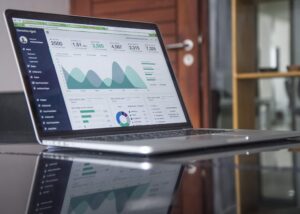
Conexión de Datos en Tableau: Una Guía Completa para Maximizar el Análisis de Datos
In the actual world, donde los datos se consideran el nuevo petróleo, la capacidad de conectarse a diversas fuentes de datos y analizarlos eficazmente se ha convertido en una habilidad esencial. Tableau es una de las herramientas más populares para la visualización de datos y el análisis, gracias a su versatilidad y facilidad de uso. In this article, exploraremos la conexión de datos en Tableau, Its importance, los tipos de conexiones disponibles, y cómo optimizar tu análisis de datos utilizando Big Data.
¿Qué es la Conexión de Datos?
La conexión de datos se refiere al proceso de establecer un enlace entre Tableau y una Data SourceA "Data Source" refers to any place or medium where information can be obtained. These sources can be both primary and, such as surveys and experiments, as secondary, as databases, academic articles or statistical reports. The right choice of a data source is crucial to ensure the validity and reliability of information in research and analysis.... para poder importar, visualizar y analizar información. This connection can be made with different types of sources, ranging from local files to cloud databases, as well as web services.
Importance of Data Connection
The ability to connect to multiple data sources is crucial for several reasons:
-
Diversity of Sources: Organizations often have multiple data sources, including SQL databases, Excel spreadsheets, CSV files, and cloud platforms such as Google Analytics and Salesforce.
-
Data Integration: Connecting different sources allows for data integration and a holistic view of information, thus facilitating data-driven decision making.
-
Real-Time Updates: With dynamic connections, analysts can view data in real time, which is invaluable in dynamic business environments.
-
Analysis Optimization: Conectar datos de diversas fuentes permite a los analistas realizar comparaciones efectivas y obtener insights más profundos.
Tipos de Conexiones en Tableau
Tableau ofrece varias opciones para conectarse a datos, que se pueden clasificar en dos categorías principales: conexiones en vivo y extractos.
Conexiones en Vivo
Las conexiones en vivo permiten a Tableau acceder a los datos directamente en su fuente original. Esto significa que cualquier cambio realizado en los datos se refleja automáticamente en Tableau. Las conexiones en vivo son ideales para situaciones donde los datos cambian con frecuencia y se necesita información en tiempo real.
Advantage:
- Actualización automática de datos.
- Acceso a la información más actualizada.
Disadvantages:
- Dependencia de la red y rendimiento de la databaseA database is an organized set of information that allows you to store, Manage and retrieve data efficiently. Used in various applications, from enterprise systems to online platforms, Databases can be relational or non-relational. Proper design is critical to optimizing performance and ensuring information integrity, thus facilitating informed decision-making in different contexts.....
- It may be slower compared to connections to extractThe extract is a substance obtained by concentrating compounds of plant origin, animal or mineral. Used in a variety of applications, such as the food industry, Pharmaceutical & Cosmetics. Extracts can be presented in liquid form, in powder form or as tinctures, and its production involves techniques such as maceration, distillation or solvent extraction. Its use allows to take advantage of the beneficial properties of the original ingredients in a more way...
Data Extracts
An extract is a copy of data stored locally in Tableau. This allows for faster analysis, since Tableau does not need to continuously connect to the data source.
Advantage:
- Improved performance and loading speed.
- Ability to work offline from the data source.
Disadvantages:
- Need to manually update extracts to reflect changes in the original source.
- May consume disk space.
Common Data Sources in Tableau
Tableau allows connection to a variety of data sources, including:
-
Relational Databases: Como MySQL, PostgreSQL, Oracle and Microsoft SQL Server.
-
Spreadsheets: Excel and CSV files are easy to import.
-
Cloud Services: Platforms like Google Analytics, Salesforce and Amazon Redshift.
-
Web Services: APIs that allow access to real-time data.
-
Big Data: Connect to Hadoop, Spark and other Big Data technologies.
How to Connect Data in Tableau
Connecting data in Tableau is a straightforward process. Here is a step-by-step guide on how to do it:
-
Start Tableau: Open the Tableau application on your computer.
-
Select a Data Source:
- On the start screen, selecciona "Conectar a datos" and choose the type of source you want to use.
-
Provide Credentials: If required, enter the access credentials to connect to the data source.
-
Choose the Table or Dataset: Once connected, select the table or dataset you want to include in your analysis.
-
Connection Configuration: Decide whether you want a live connection"Conexión en vivo" es una plataforma que permite la interacción en tiempo real entre creadores de contenido y su audiencia. A través de transmisiones en directo, se facilita un diálogo inmediato, promoviendo la participación y el feedback instantáneo. Esta herramienta se ha vuelto esencial en el ámbito digital, ya que potencia la conexión emocional y el compromiso del público, convirtiéndose en un recurso valioso para marcas y artistas por igual.... o un extracto. Haz clic en "Hoja" para empezar a trabajar con los datos.
-
Create Visualizations: Utiliza la interfaz de arrastrar y soltar de Tableau para crear visualizaciones basadas en los datos conectados.
Mejores Prácticas para la Conexión de Datos
Para maximizar la efectividad de tu análisis de datos en Tableau, Consider the following best practices when establishing data connections:
-
Data Planning: Before making connections, Plan what data is needed and how it will be used.
-
Query Optimization: If you use live connections, Optimize your queries to improve load speed.
-
Use of Extracts: Consider using extracts if you work with large datasets that do not require real-time updates.
-
Regular Maintenance: Keep your connections up to date and periodically check data integrity.
-
Documentation: Document your data connections and any transformations you perform to facilitate maintenance and reproduce analyses.
Big Data Integration
In the era of Big Data, Tableau has become increasingly compatible with large volumes of data. Puedes conectarte a plataformas de Big Data como Hadoop y Spark, permitiendo a las organizaciones analizar grandes conjuntos de datos de manera efectiva.
Ventajas de Usar Tableau con Big Data
- Scalability: Tableau puede manejar grandes volúmenes de datos sin comprometer el rendimiento.
- Análisis Rápido: Permite realizar análisis complejos y visualizaciones sobre conjuntos de datos masivos.
- Soporte para Lenguajes de Programación: Integra lenguajes como R y Python para realizar análisis avanzados.
Conclution
La conexión de datos es un componente fundamental del análisis de datos en Tableau. Permite a los analistas acceder a información de múltiples fuentes, lo que enriquece el análisis y fomenta la toma de decisiones informadas. Con la creciente importancia de Big Data, Tableau positions itself as a powerful and versatile tool for businesses of all sizes. Whether you use live connections or extracts, The ultimate goal is to maximize the value of data for the organization.
FAQs
1. What is an extract in Tableau?
An extract is a copy of data stored locally in Tableau, Allowing faster analysis and the ability to work offline from the data source.
2. What are the advantages of live connections?
Live connections allow access to real-time data, Ensuring that any change in the data source is automatically reflected in Tableau.
3. Is it possible to connect to multiple data sources in Tableau?
Yes, Tableau allows connecting multiple data sources, which facilitates the integration and analysis of diverse information.
4. How do I optimize performance when using live connections?
You can optimize performance by using more efficient queries in the database and limiting the amount of data retrieved.
5. Is Tableau compatible with Big Data?
Yes, Tableau is compatible with numerous Big Data platforms, like Hadoop and Spark, allowing the analysis of large volumes of data.
6. Can I work offline in Tableau?
Yes, You can work offline using extracts that store data locally in Tableau.
With this comprehensive guide on connecting data in Tableau, you now have the tools needed to maximize your data analysis. ¡Empieza a explorar y visualizar tus datos de manera efectiva!